PRE-ENGINEERING SURVEY IN FLOATING SOLAR PV PROJECTS
The Cirata Reservoir Floating Solar Power Plant officially began commercial operations in 2023, and PT PLN (Persero) is continuing to develop floating solar power plants at other locations (Saguling Reservoir, Singkarak Lake, and Sutami Reservoir). Floating solar power plants are seen as a solution for clean and sustainable energy needs while reducing CO2 carbon emissions.
The main difference between ground-mounted solar power plants and floating solar power plants lies in their installation location. Ground-mounted solar power plants are installed on land using support structures, while floating solar power plants are installed on the surface of water (reservoirs/lakes) using special floats. Floating solar power plants do not use productive land, unlike ground-mounted solar power plants, resulting in much higher spatial efficiency.
Overview of Floating Solar Power Plant Design
Understanding the common components of floating solar power plants will greatly help identify the factors that need to be considered and their implications for the design of floating solar power plants. The following is an overview of the design of floating solar power plants:
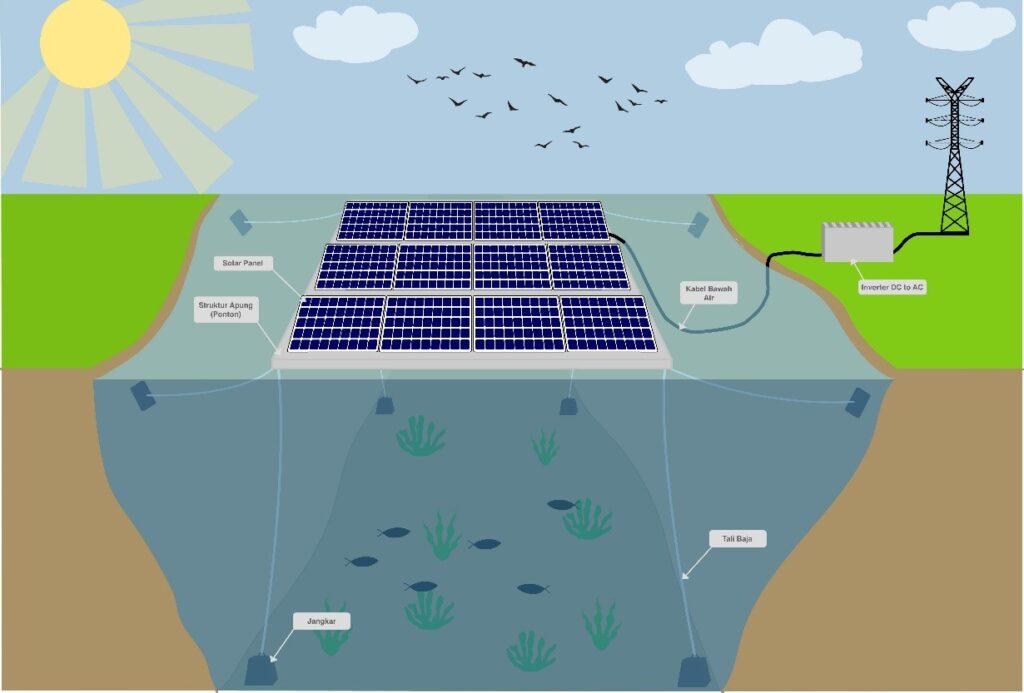
- Solar Module (Photovoltaic/PV Panel): The main component for capturing sunlight and converting it into electrical energy.
- Floating Platform/Structure (Floating System): Generally made of High-Density Polyethylene (HDPE) material that is resistant to corrosion and UV rays. This structure supports the solar panels above the water surface and provides buoyancy.
- Mooring System: Anchors and mooring cables that keep the solar panel assembly in place and prevent it from being carried away by currents or wind, withstand wave loads, and can adjust to fluctuations in water level. There are two types of mooring systems: seabed mooring and onshore mooring. This system is crucial to ensure that the entire solar panel array does not collide with the shore or other structures, thereby maintaining the safety and operation of the power plant.
- Underwater Cable System: Cables that transmit electricity from the solar panels above the water to the inverter and substation on land.
- Inverter and Electrical Components: Devices for converting direct current (DC) from solar panels into alternating current (AC).
- Walkway: Part of the floating structure designed to facilitate maintenance or cleaning of the panels by technicians.
The design of floating solar power plants can vary greatly from one location to another depending on water conditions, so it is important to understand the field conditions based on the latest primary data.
Parameters that need to be known before the engineering and design stages.
Before entering the engineering and design stages, the following parameters need to be known in advance to identify hazards and minimize risks:
- Estimated duration of Floating Solar PV operation (Year of Expected Operation)
- Total area of water body
- Depth
- Water level changes
- Wind (Design wind: reference wind speed used for technical design; Peak wind = highest wind speed that can actually occur/be recorded)
- Wave formation probability and height
- Water current velocity
- Level of dissolved salt in water (Water salinity)
- Type of soil at the bottom of the water body and slope surface
- Climate (Temperature, UV radiance)
These factors have implications for the design of floating solar PV, namely:
- Quality of floating structure used: thickness, additives, fatigue
- Percentage of surface covered to minimize environmental impact
- Type of anchoring possible: Onshore vs Bottom, can adjust to water level fluctuations
- Flexibility of the structure (when you have high waves)
- How buoyancy works after being loaded with workers, inverters, and cables
- Electrical equipment has sufficient insulation and protection to prevent leakage and corrosion
- Logistics, especially floating structures (Logistics–Floating structure mainly)
- Work safety and security during installation, operation, and maintenance–access to components
- Balance between costs and risks
The role of surveys in the pre-engineering process
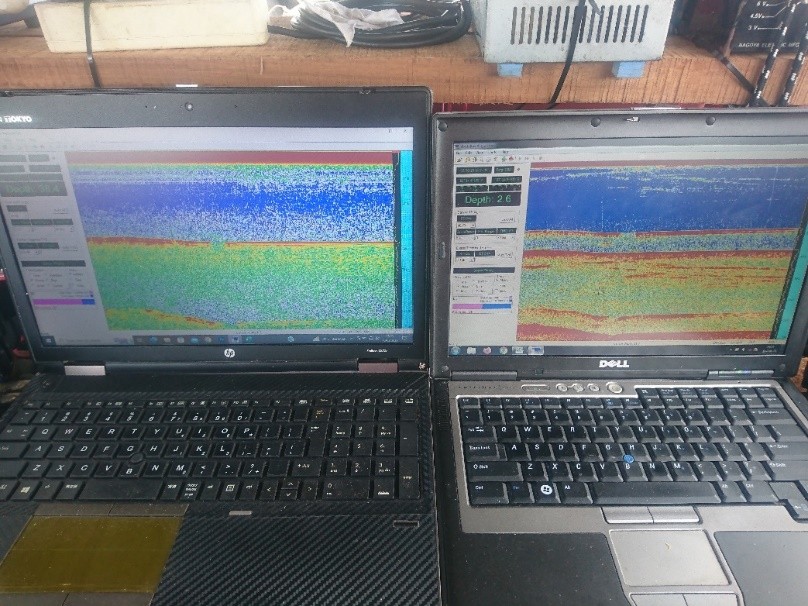
Surveys play a very important role in obtaining primary data related to hazards that may affect floating solar PV structures. We are happy to assist you in obtaining primary data related to pre-engineering survey work.
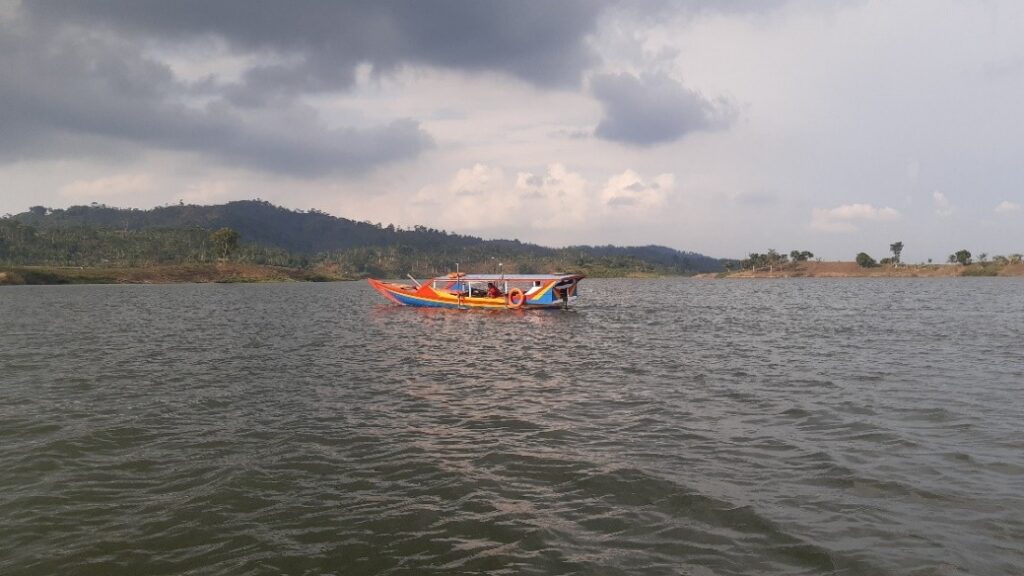
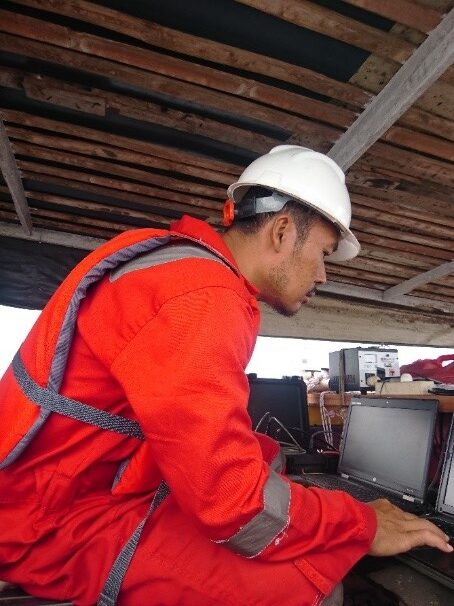
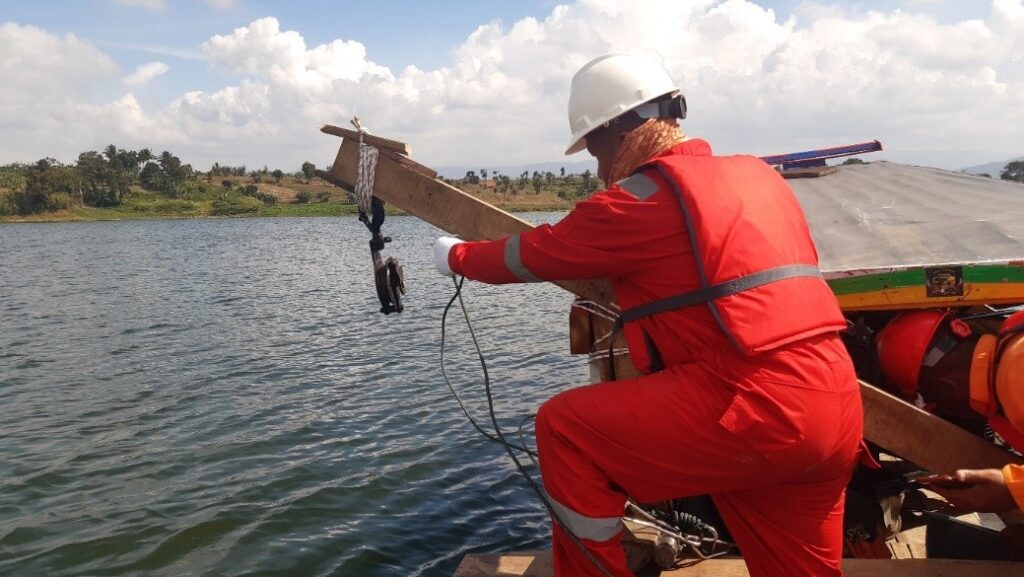
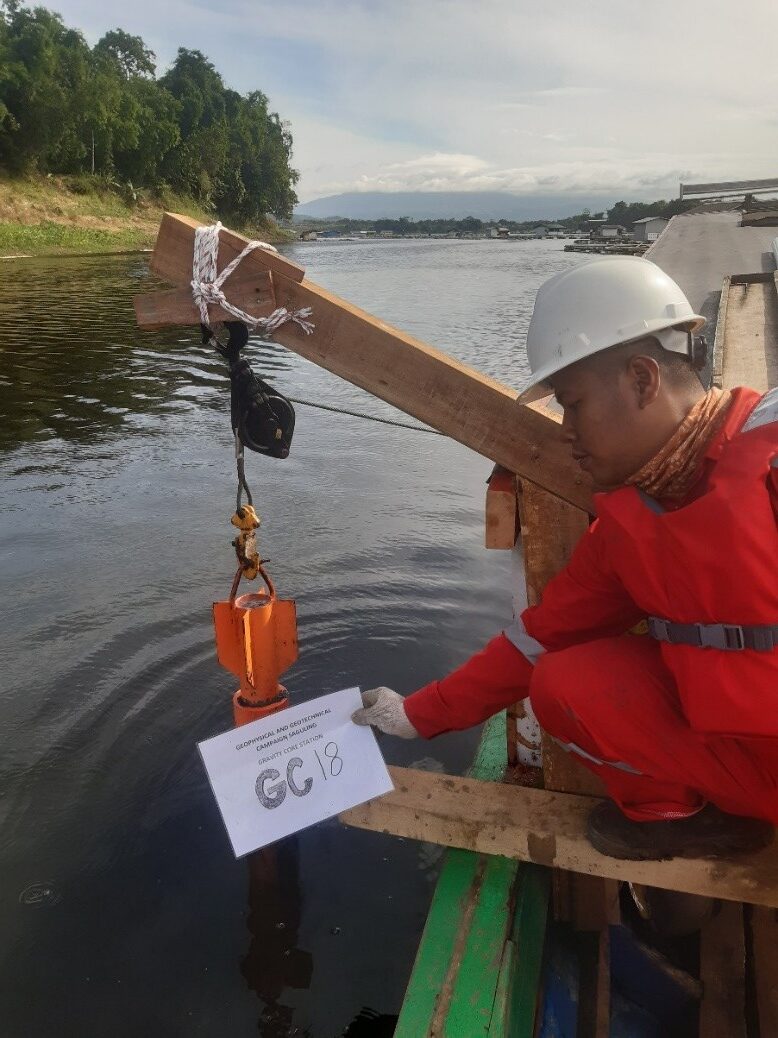
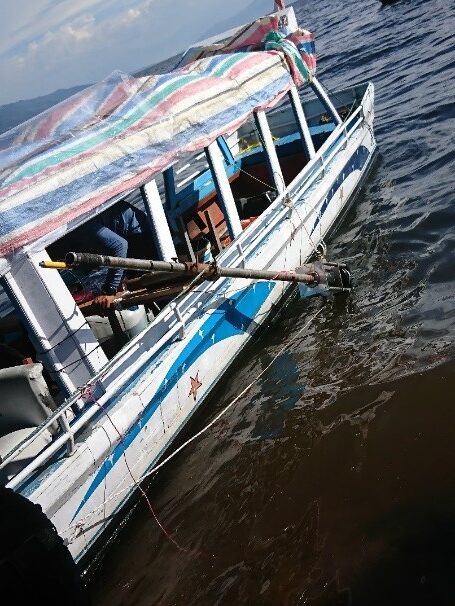
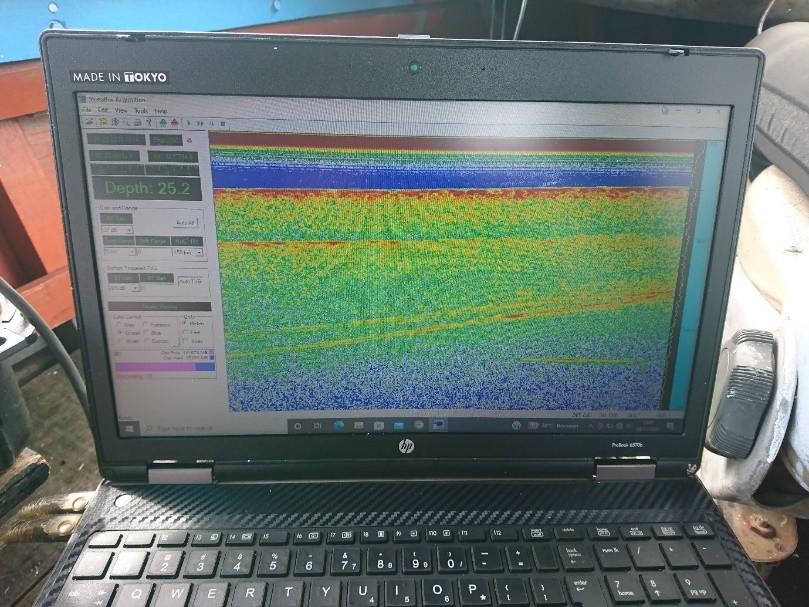
Here are some photos of our team assisting our consulting colleagues in the pre-engineering survey process a few years ago.